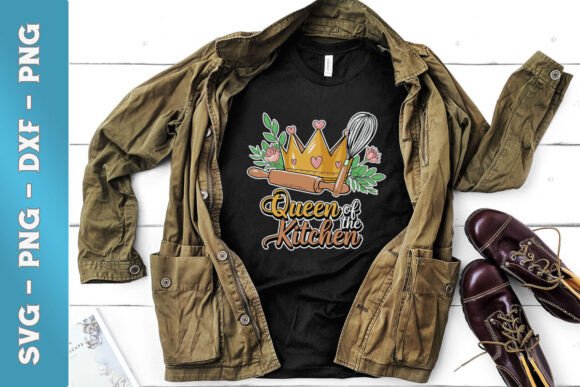
Queen of the Kitchen Mom Life SVG Review
As a designer who bridges the gap between digital graphics and tangible textiles, I approach every new file with a specific question: will this actually stitch out well? When evaluating the Queen of the Kitchen Mom Life SVG, my first impression is that it captures a very specific, relatable sentiment that resonates deeply with modern makers and mothers. Visually, the design balances playful typography with thematic elements that suggest warmth and domestic pride. However, as an experienced embroidery product reviewer, I know that what looks clean on a screen requires careful translation into thread. This review breaks down how this graphic performs when moved from a cutting machine workflow to a needle and thread environment.
Translating Vector Graphics to Stitched Reality
The Queen of the Kitchen Mom Life SVG is originally marketed as a digital cutting file for Cricut or Silhouette machines. For those of us in the craft business or running an Etsy seller shop, this distinction matters. While the vector lines are crisp for vinyl, converting them into a machine embroidery design requires intentional digitizing. The bold lettering typically found in "Mom Life" graphics naturally lends itself to satin stitch columns, but you must verify the column width. If the letters in the SVG are too thin, they may disappear under tension; if they are too wide without proper underlay, they risk puckering.
I view this design as a prime candidate for applique design work. Instead of stitching out thousands of fill stitches for the background shapes or large block letters, using fabric scraps can reduce stitch count significantly while adding a premium, handmade texture. This approach transforms a standard digital embroidery file into a mixed-media piece that feels more like a boutique handmade product and less like mass-produced merchandise. Always check your software to ensure the SVG nodes are closed paths before auto-digitizing, as open vectors can cause jump stitches or misaligned trims in the final embroidery project.
Real-World Application: The Custom Apron Test
To truly judge the viability of the Queen of the Kitchen Mom Life SVG, I mentally placed it onto a canvas apron intended as a personalized gift for a client’s mother-in-law. Aprons present unique challenges because they are often made of medium-weight cotton or linen blends with visible fabric texture. In this scenario, the design needs enough density to stand out against the weave without becoming a bulletproof patch that distorts the drape of the garment.
For this specific application, I would recommend testing the design on a similar scrap fabric first. The phrase "Queen of the Kitchen" implies a centerpiece placement, likely across the chest or bib area. Here, visual hierarchy is everything. If the SVG includes intricate flourishes or small decorative accents, these must be evaluated for clarity. Tiny details that look elegant in a printable mockup can turn into muddy thread blobs on textured canvas. I often simplify such elements, converting delicate lines into running stitch accents rather than trying to force them into satin columns. This ensures the finished product remains legible and professional after washing and wear.
Navigating Fabric Limitations and Hoop Constraints
Not every substrate is friendly to this type of typographic design. When planning sweatshirt embroidery or custom apparel using fleece or French terry, the loftiness of the fabric can swallow fine details. The Queen of the Kitchen Mom Life SVG likely contains varying line weights. On high-pile fabrics, you must use adequate stabilizer—perhaps a combination of cut-away backing and water-soluble topping—to keep the stitches sitting on top of the fibers rather than sinking in.
Conversely, if you are creating a tote bag design on thin cotton, excessive stitch density becomes the enemy. A dense fill combined with heavy satin borders can perforate lightweight fabric like a postage stamp. In these cases, modifying the embroidery file to include lighter fills or outline-only lettering preserves the structural integrity of the bag. Also, consider your hoop size. This design likely has a landscape orientation. Ensure your machine can accommodate the full width without requiring re-hooping, which introduces alignment risks. If you must split the design, plan the registration marks carefully to maintain the cohesive look of the Graphics layout.
Commercial Viability and Brand Consistency
For creative entrepreneurs selling small shop product lines or commercial embroidery services, consistency builds trust. The Queen of the Kitchen Mom Life SVG has strong potential for holiday markets and Mother’s Day sales, but only if the execution matches the customer's expectation set by your listing photos. Buyers engage with products that look polished. If the thread colors clash or the tension is off, it devalues the perceived worth of the item.
I strongly advise testing the design in both black-and-white and color mockups before listing. Sometimes, a design that pops in a digital preview loses contrast when stitched in monochrome thread on white fabric. Verify that the design assets you purchased include the appropriate licensing for commercial use. Just because a file is compatible with cutting machines does not automatically grant rights to sell embroidered derivatives. Clarifying this protects your craft business from legal issues and ensures you are building a sustainable brand based on ethical sourcing of design assets.
Essential Designer Notes for Success
Before you load the Queen of the Kitchen Mom Life SVG into your digitizing software or machine, run through this practical checklist to ensure professional results:
- Verify Compatibility: Remember this is listed as a cutting file. Confirm you have the tools and skills to convert it to a stitch file, or purchase a pre-digitized version specifically for embroidery.
- Test Stitch Density: Print a template at actual size and tape it to your target fabric. Visualize the coverage. Adjust density settings based on whether you are stitching on denim, knits, or woven cotton.
- Check Small Text: Any text under 4mm height in the original SVG should be resized or restitched as running text to prevent thread breaks and illegibility.
- Stabilizer Selection: Match your stabilizer weight to the fabric and design density. Do not rely on tear-away alone for stretchy knits or complex designs.
- Thread Contrast: Test on both light and dark backgrounds. Ensure the "Mom Life" sentiment remains readable regardless of the base garment color.
- Licensing Review: Double-check the seller’s terms regarding digital embroidery file conversion and resale of finished goods.
- Mockup Accuracy: Use realistic textures in your printable mockup to manage customer expectations regarding stitch texture versus smooth vector art.
Ultimately, the Queen of the Kitchen Mom Life SVG offers a wonderful foundation for heartfelt, personalized creations. Whether you are making an embroidered patch, a nursery pillow, or a holiday embroidery gift, success lies in respecting the technical limitations of thread. By treating this graphic not just as an image, but as a blueprint for physical construction, you elevate your work from simple crafting to professional textile art. Take the time to test, adjust, and refine, and your finished pieces will carry the quality that keeps customers coming back to your handmade shop.