In My Medical Mom Era SVG: An Embroidery Review
As a professional embroidery digitizer and product reviewer, I approach every new graphic with a specific question: will this actually stitch out cleanly on real fabric? When evaluating the In My Medical Mom Era SVG T-shirt design, my focus shifts immediately from screen aesthetics to needle performance. This graphic captures a very specific cultural moment, blending the trendy "era" aesthetic with the pride of medical motherhood. For Etsy sellers, craft business owners, and makers creating personalized gifts for nurses, doctors, or med students who are also moms, this design holds significant commercial potential. However, translating a vector graphic into a tactile machine embroidery design requires careful consideration of line weight, negative space, and fabric compatibility.
First Impressions: Visual Personality and Stitch Translation
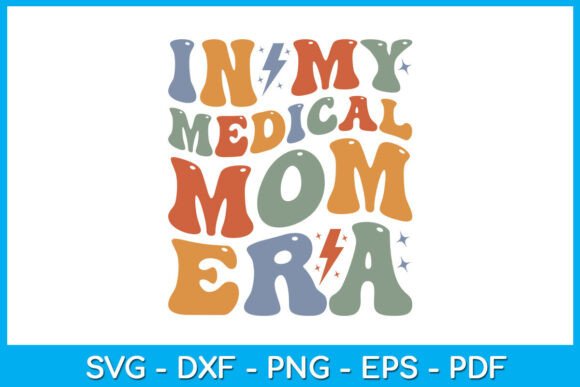
My initial assessment of the In My Medical Mom Era SVG T-shirt is that it possesses a clean, bold hierarchy essential for successful embroidery. The typography appears balanced, which is critical because script fonts often cause registration issues if the letters are too thin or overly ornate. In this design, the lettering seems substantial enough to support a satin stitch without requiring excessive underlay that could distort lightweight fabrics. The mood is celebratory yet professional, making it versatile for both casual wear and boutique merchandise.
From a digitizing perspective, the layout suggests a natural center point, which simplifies hooping for sweatshirt embroidery or tote bag design projects. Unlike complex illustrations with gradient shading, this graphic relies on shape and form. This is excellent news for embroiderers because it reduces stitch density concerns. High-density designs can cause puckering on knits, but the open nature of this era-style graphic allows for better fabric drape and a softer hand-feel on the finished product.
Real-World Application: Stitching a Custom Sweatshirt
To truly test the viability of this digital embroidery file, I mentally walked through a recent client project involving a custom crewneck sweatshirt for a pediatric nurse celebrating her return to work after maternity leave. Sweatshirts present unique challenges due to their fleece backing and stretchy knit face. Using the In My Medical Mom Era SVG T-shirt as the base for this custom apparel piece required strategic planning.
I opted to treat the main text elements with a standard satin column rather than a dense fill stitch. This decision was driven by the need to maintain the garment's flexibility. If I had used heavy fills, the chest area would have felt stiff and armor-like. Instead, the design moved with the fabric. For the medical iconography within the design, I utilized a combination of running stitch outlines and light tatami fills to add texture without bulk. The result was a handmade product that looked high-end and retail-ready, not homemade. This specific application highlights why checking your embroidery file settings before production is non-negotiable for maintaining quality in commercial embroidery ventures.
Navigating Fabric Textures and Hoop Limitations
While this design shines on stable knits, caution is necessary when adapting it for other mediums. As an experienced reviewer, I must emphasize where the In My Medical Mom Era SVG T-shirt design demands extra attention:
- Stretchy Performance Fabrics: If applying this to moisture-wicking scrubs or athletic wear, you must use a cutaway stabilizer and potentially a water-soluble topping. The design’s clean lines will show any registration shift caused by fabric stretch.
- Textured Surfaces: On terry cloth towels or fleece blankets, the finer details of the "era" aesthetic may get lost. Consider increasing the column width or simplifying small accents to ensure readability.
- Small Hoop Sizes: Resizing this design down for a baby onesie or pocket logo requires verifying that the smallest text remains legible. Never shrink a satin stitch below 1mm or it risks breaking needles.
- Dark vs. Light Fabrics: Always test thread colors against the actual garment. White thread on white fabric lacks contrast, while dark thread on navy can disappear. The visual impact of this design relies heavily on crisp definition.
For baby embroidery specifically, ensure the back of the design is smooth. Dense stitching can irritate sensitive skin, so using a soft cloud cover or tear-away backing on the reverse side is a best practice for personalized gift items intended for infants.
Commercial Value and Brand Consistency for Sellers
For those running a small shop product line or managing an Etsy store, consistency builds trust. The In My Medical Mom Era SVG T-shirt design offers a cohesive look that can span multiple product categories. It works equally well as a standalone embroidered patch for lab coats or as a large back print on a denim jacket. This versatility maximizes the ROI of your design assets.
However, professionalism extends beyond the stitch-out. Before listing any item derived from this graphic, verify the licensing terms. Ensure you have the right to sell physical custom apparel versus just digital files. Customers value transparency, and clearly stating that your item is a licensed, professionally embroidered piece adds perceived value. Furthermore, utilizing a printable mockup that accurately represents the stitched texture helps manage buyer expectations. A flat vector image does not convey the sheen of rayon thread or the dimensionality of embroidery; showing a realistic photo or high-quality render of the finished product significantly boosts conversion rates.
Essential Designer Notes for Success
Before you load this embroidery project into your machine, adhere to these professional protocols to ensure the In My Medical Mom Era SVG T-shirt design performs flawlessly:
- Always Test Stitch: Never run a production piece without a sew-out on similar scrap fabric. Check for gaps between outline and fill stitches.
- Audit Stitch Density: Use your software to identify hot spots. If an area exceeds 0.4mm density on knit fabric, reduce it to prevent holes or distortion.
- Verify File Compatibility: Confirm the provided digital embroidery file format matches your machine brand. While SVG is great for cutting machines, embroidery machines require DST, PES, JEF, or similar formats unless you are digitizing from scratch.
- Check Minimum Text Height: Ensure no lettering is smaller than 4mm. Anything tinier risks thread breaks and illegibility.
- Stabilizer Selection: Match stabilizer weight to fabric weight. Lightweight knits need medium-weight cutaway; woven cottons can often handle tear-away.
- Color Contrast Check: View the design in grayscale to ensure tonal separation exists independent of color hue.
The In My Medical Mom Era SVG T-shirt is more than just a trendy phrase; it is a viable asset for the modern maker. Whether you are crafting holiday embroidery gifts for medical staff or building a niche apparel brand, success lies in respecting the technical constraints of the medium. By treating this graphic as a blueprint for thread rather than just ink on paper, you elevate your craft from simple decoration to professional textile art. Remember, in the world of Crafts and Graphics, the most beautiful design is one that survives the wash and wears comfortably. Take the time to digitize thoughtfully, test rigorously, and create products that honor both the design and the wearer.