In My Autism Mom Era: An Embroidery Design Review
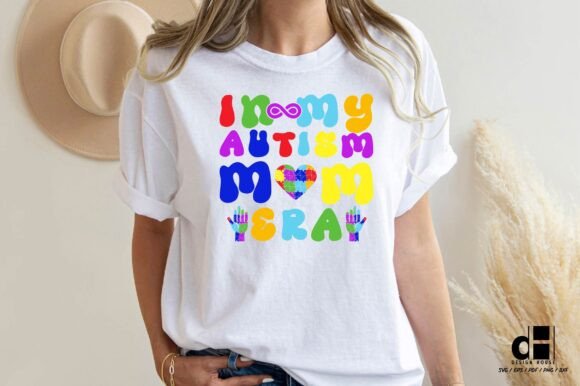
As a professional embroidery designer and product reviewer, I approach every new machine embroidery design with a critical eye toward its real-world application. When evaluating "In My Autism Mom Era-About in My Autism," my primary concern is not just the aesthetic appeal of the digital file, but how it translates into a tangible, high-quality finished product. This design, created by "design house," taps into a powerful cultural moment within the neurodivergent parenting community. The phrase "In My Autism Mom Era" signifies pride, identity, and solidarity. For an Etsy seller or craft business owner, this is more than just Graphics; it is a statement piece that requires technical precision to honor the sentiment behind it.
First Impressions and Emotional Resonance
Upon opening the files—which include EPS formats suitable for digitizing software—my immediate impression is one of bold clarity. The typography carries the weight of the message. In the realm of Crafts, designs centered on identity must be legible and confident. A weak font choice or poor spacing can undermine the empowerment the wearer seeks. This design appears to balance modern trends with readability, which is essential for custom apparel and sweatshirt embroidery. The mood is celebratory yet grounded, making it an excellent candidate for merchandise that serves as both a personal identifier and a conversation starter at support groups, school events, or community gatherings.
Real-World Application: The Sweatshirt Test
To truly evaluate this asset, I mentally placed it in a specific production scenario: creating a premium crewneck sweatshirt for a boutique collection targeting neurodivergent families. Sweatshirts are the quintessential canvas for "Era" themed content, but they present unique challenges for embroidery projects.
In this scenario, the design would likely sit center-chest or as a large back print. Because sweatshirt fleece has significant texture and loft, the stitch density becomes the most critical variable. If the lettering in "In My Autism Mom Era" relies heavily on thin running stitch elements without adequate underlay, the stitches will sink into the fabric pile, rendering the text illegible. Conversely, if the fill stitch areas are too dense, the garment will become stiff and uncomfortable—a major deterrent for sensory-sensitive individuals who might be wearing this item alongside their autism mom supporters.
For this specific project, I would verify that the digitization includes proper pull compensation. Fleece stretches during hooping; if the design doesn't account for this, the letters may distort once unhooped. A successful sweatshirt embroidery run using this design should feel soft against the skin while maintaining crisp edges that withstand repeated washing. This balance determines whether a customer buys once or becomes a repeat client for your small shop product line.
Navigating Fabric Limitations and Hoop Constraints
While this design shines on stable knits, caution is required when adapting it for other mediums. As an experienced reviewer, I must highlight where "In My Autism Mom Era" demands careful handling:
- Stretchy Performance Fabrics: If applying this to moisture-wicking tees or baby onesies, you must use a high-quality cut-away stabilizer. The design’s structure needs support to prevent puckering around detailed corners.
- Small Hoop Sizes: Reducing a complex typographic design to fit a 4x4 hoop often compromises integrity. Tiny serifs or internal counters in letters like 'a' or 'e' may close up entirely. Always check the minimum recommended size before resizing.
- Curved Surfaces: Placing this on a cap or curved tote bag panel requires specialized hooping. Flat designs do not naturally wrap around curves without distortion. Test on a scrap cap first to ensure the baseline remains level.
- Dark vs. Light Fabrics: Contrast is king. White thread on a heather grey sweatshirt offers beautiful subtlety, but on navy blue, you need sufficient coverage. Ensure the thread colors selected provide enough opacity so the fabric doesn't show through the stitches.
Commercial Viability for Makers and Sellers
For those running an Etsy seller account or managing a craft business, this design holds significant commercial potential due to its niche specificity. However, professionalism dictates thorough preparation. Before listing any personalized gift or ready-to-ship item featuring this artwork, create multiple printable mockup variations. Customers need to visualize how the design looks on different garment colors and styles.
Furthermore, consider the versatility of the provided files. With EPS formats included, you have the flexibility to adjust colors or separate elements if your machine supports it. This adaptability allows you to offer colorways that match specific awareness themes or seasonal palettes, increasing the perceived value of your handmade product. Whether used for a tote bag design for conferences or a holiday embroidery gift for family members, the design’s relevance drives buyer engagement. Just remember to confirm licensing terms directly with "design house" to ensure your intended commercial use aligns with their permissions.
Essential Designer Notes for Success
Based on my evaluation of similar typographic advocacy designs, here are practical steps to ensure "In My Autism Mom Era" performs flawlessly in your studio:
- Always Test Stitch: Never run this design on a final garment without testing on similar scrap fabric first. Inspect registration, tension, and legibility.
- Audit Small Details: Zoom in on your machine screen or software. Are there jump stitches crossing open spaces? Is the smallest text height above 5mm? These details define quality.
- Stabilizer Selection: Match your stabilizer to the fabric weight. Use tear-away for stable wovens and cut-away for knits. For sheer or delicate fabrics, consider water-soluble toppings to prevent stitches from sinking.
- Thread Contrast Check: View your digital embroidery file preview in grayscale. If the design loses definition without color, it lacks sufficient contrast value for monochromatic embroidery.
- Verify File Compatibility: While EPS is versatile, ensure your specific machine reads the converted format correctly. Some machines handle vector conversions differently than native embroidery formats.
Final Thoughts on Quality and Impact
"In My Autism Mom Era-About in My Autism" represents a meaningful intersection of advocacy and craftsmanship. When executed correctly, it transforms a simple garment into a badge of honor. As makers, our responsibility extends beyond mere stitching; we are translating emotion into thread. By paying attention to stitch density, fabric compatibility, and professional finishing, you ensure that this design serves its community with the dignity and quality it deserves. Whether you are creating a custom apparel line or a singular embroidered patch, let technical excellence amplify the powerful message this design carries.